


Find Games by Emotion: Explore Titles That Fit Your Vibe and Mood
Aleksander Kjeserud
Product Lead - Metadata & Taxonomy
@Gameopedia
Read Time :
9 Min
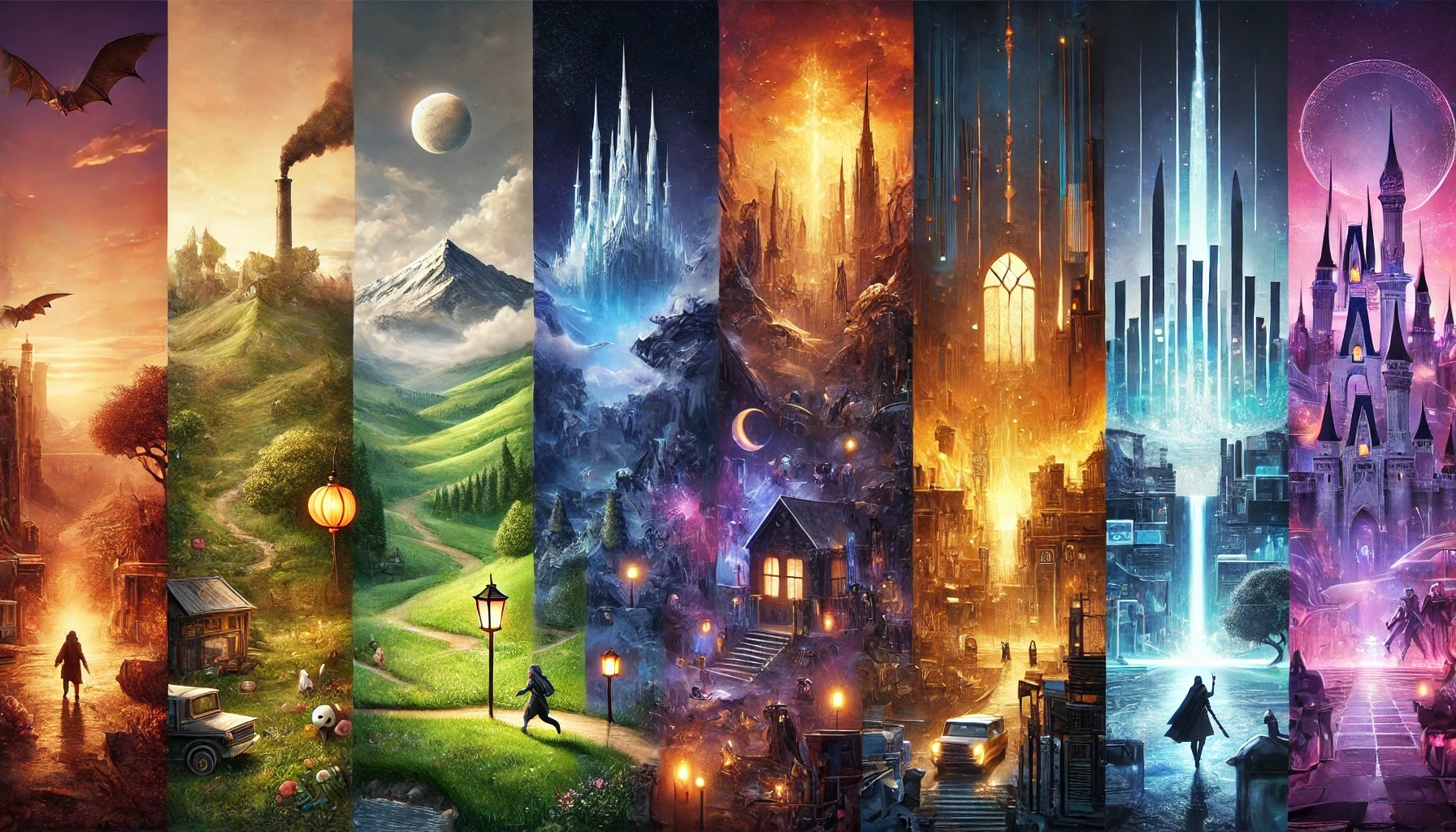
Discovering the next unforgettable experience can often feel a bit overwhelming. The traditional methods of sifting through Top Sellers or Most Played lists may provide a quick snapshot of popular games, but they often fail to capture the essence of what truly resonates with players. What if there was a more personalized way to connect with games, one that taps into the emotions and experiences they evoke?
This is where vibe-based game discovery comes into play. A new, intuitive way of finding games based on how they make you feel. Many mood games are designed to evoke positive emotions, humor, or charm right from the start, setting the tone for a memorable experience.
The idea behind mood games is to use creative concepts and themes that foster happiness, comfort, and nostalgia, making each game not just entertaining but also emotionally uplifting and memorable.
Ongoing updates and freshness are crucial for keeping players engaged, and the importance of the latest updates or releases cannot be overstated—they ensure that the gaming experience remains current and exciting.
The Shift Toward Creation, Imagination, and Self-Expression
According to a recent Fandom Report, the top reason people turn to games is still stress relief. However, the motivations for playing are evolving. An impressive 46% of gamers now cite creation, imagination, and self-expression as their primary motivations for gaming—a significant 10% increase from last year. This shift highlights the growing desire among gamers to engage with experiences that allow them to express their creativity and immerse themselves in imaginative worlds. For many, engaging in certain games can feel like a rewarding form of work that enhances mood and well-being, providing a sense of accomplishment and joy.
At Gameopedia, our research aligns with these findings. Players are increasingly seeking games not by genre, story, or themes, but by the vibe or emotional experience the game offers. In addition to gameplay, players are drawn to content such as visual style, soundtrack, and ongoing updates, which keep the experience fresh and engaging. Imagine being able to find a game that perfectly matches your mood or the type of experience you’re craving at that moment. This is exactly what our proprietary Vibes framework is designed to do.
Gamers Play Longer When They Connect Emotionally
The Fandom Report reveals that gamers who play for self-expression, creation, and imagination are 30% more likely to extend their gaming sessions. This increase in engagement translates into improved retention rates and higher customer lifetime value (CLV). Many players find that a single playthrough of mood games can be especially enjoyable and emotionally valuable, as these experiences often deliver happiness, humor, or a unique atmosphere in just one session. For gaming platforms, these metrics demonstrate the potential financial benefits of allowing players to discover games based on emotional vibes. In essence, by meeting players where they are emotionally, platforms can increase user conversion, retention, and overall loyalty. Players often report a strong sense of satisfaction and accomplishment after they have finished games that are emotionally uplifting, further enhancing the appeal of mood games.

Exploring Creative and Liberating Vibes
Take, for instance, the Creative Vibe. Games that fall into this category allow players to create, customize, or explore entirely new things within the game world. These games provide players with the opportunity to express their individuality and imagination. Whether it’s building an intricate world in Minecraft or designing a city in Cities: Skylines, games with a Creative Vibe invite players to unleash their creativity. Memorable and charming characters in these games often add humor and depth, further enhancing the overall atmosphere and making the experience more engaging.
On the other hand, the Liberating Vibe speaks to players who seek freedom and non-linear experiences. These games allow players to explore their own paths and make choices without constraints. Open-world games like The Legend of Zelda: Breath of the Wild or Red Dead Redemption 2 embody this vibe, giving players the freedom to roam, discover, and engage with the game at their own pace. Having a supportive companion in these games can heighten the sense of comfort, joy, and shared fun, making the journey even more memorable.
Both vibes—Creative and Liberating—illustrate the broader emotional connections that players can form with games. These are just two examples from the many vibes we are curating to enhance the game discovery process.

How Games Like Fortnite Embody Multiple Vibes
A perfect example of a game that straddles multiple vibes is Fortnite Battle Royale. On the surface, it may seem like a typical shooter game, but dig deeper, and you’ll discover layers of creative freedom that resonate with players. In Fortnite, players can build structures, creating strategic advantages, while also engaging in highly dynamic combat. Players or teams can advance on the game board as a reward for successfully completing certain actions or tasks, adding another layer to the gameplay mechanics. The game’s balance of creativity and intense competition is a big part of what makes it so engaging across various player types..
The Business Case for Vibe-Based Discovery
As mentioned earlier, gamers who engage with titles based on self-expression, creativity, and imagination are 30% more likely to increase their gaming time. This surge in engagement isn’t just good for the player; it’s a clear win for gaming platforms as well. Higher player retention translates into a longer customer lifecycle and better conversion rates, all of which improve the bottom line.
In addition, platforms can leverage reviews to showcase customer feedback and ratings, building credibility and trust. By allowing users to filter or organize reviews in a specific order—such as by playtime, review date, or display preferences—platforms can highlight positive experiences and recent feedback, making it easier for potential players to find relevant insights.
But more than that, vibe-based discovery offers an opportunity to move beyond the overused Top Sellers and Most Playedcategories. By offering a more personalized way for players to find games, platforms can foster deeper connections between games and players. This results in increased user satisfaction and loyalty—key metrics for long-term business success.
A New Paradigm in Game Discovery
The potential of vibe-based discovery extends beyond just categorizing games differently; it transforms how players interact with gaming platforms entirely. By focusing on the emotional experiences that games offer, vibe-based discovery can transcend traditional genres, offering a more personalized and engaging process. This approach also carries the promise that players will have a positive and safe experience, reassuring them as they explore new titles.
Imagine a player who loves the Creative Vibe. Instead of being limited to one specific genre, they could discover joy in building cities in Cities: Skylines, while also enjoying crafting immersive worlds in Fallout 76 or Medieval Dynasty. These games may span different genres—simulation, RPG, or strategy—but they all share the same creative essence that appeals to the player. The unique locations in each game, from sprawling post-apocalyptic landscapes to detailed medieval towns, contribute significantly to the atmosphere and storytelling, making each experience distinct and memorable.

Similarly, a player who loves the Liberating Vibe could find satisfaction in completely different types of games, from open-world adventures like The Witcher 3 to sandbox games like No Man’s Sky. By breaking free of rigid genre classifications, vibe-based discovery allows players to explore a wider array of games that truly resonate with their emotional desires. Players are often pleasantly surprised by the emotional impact these games can have, whether through unexpected moments of joy or meaningful connections with the game world.
Narrative-driven games especially benefit from this approach, as their stories add charm and emotional depth, making them more engaging and memorable for players.
Rethinking Top Sellers and Most Played Lists
The time has come to rethink traditional methods of game discovery, such as Top Sellers and Most Played lists. While these are useful indicators of a game’s popularity, they don’t capture the nuanced emotional desires of today’s gamers. Instead, platforms should consider adopting a more personalized approach—similar to what streaming services like Spotify have done with music. By presenting games based on vibes and moods, we can offer a more tailored experience that helps gamers discover titles that resonate on a deeper, more emotional level.

As the gaming industry continues to grow and diversify, the way we help gamers discover new experiences must evolve. By embracing vibe-based discovery, we can connect players with games that truly resonate with their motivations and emotions. It's a simple yet revolutionary shift that promises to make finding the next great game more intuitive, personalized, and enjoyable.
Moving beyond Top Sellers and Most Played lists, the future of game discovery lies in helping players find games that make them feel creative, liberated, and deeply engaged. The future of game discovery is here, and it's all about the vibes.
What vibe are you looking for in your next gaming adventure?
Could vibe-based discovery transform your gaming experience? Share your thoughts in the comments below!
Gameopedia is at the forefront of revolutionizing game discovery by providing expertly curated video game metadata. Our pioneering Vibes framework helps gamers find the perfect game based on how it makes them feel. Reach out to learn more about how we can enhance your platform with our innovative approach to game discovery.