


Games as a Service: How Live Service Games Thrive for Years
Kaavya Karthikeyan
Sr Content Writer
@Gameopedia
Read Time :
5 Min
This article explores games-as-a-service (GaaS), a model that is transforming the gaming industry. It is designed for gamers, industry professionals, and anyone interested in how live service games operate and succeed. Understanding GaaS is crucial as it shapes the future of the gaming industry and impacts how players experience games.
What is Games as a Service (GaaS)?
Games as a Service (GaaS) refers to a business model that allows game developers to monetize video games after their initial release through ongoing content updates and player engagement. GaaS allows developers to monetize video games after their initial release through ongoing revenue models.
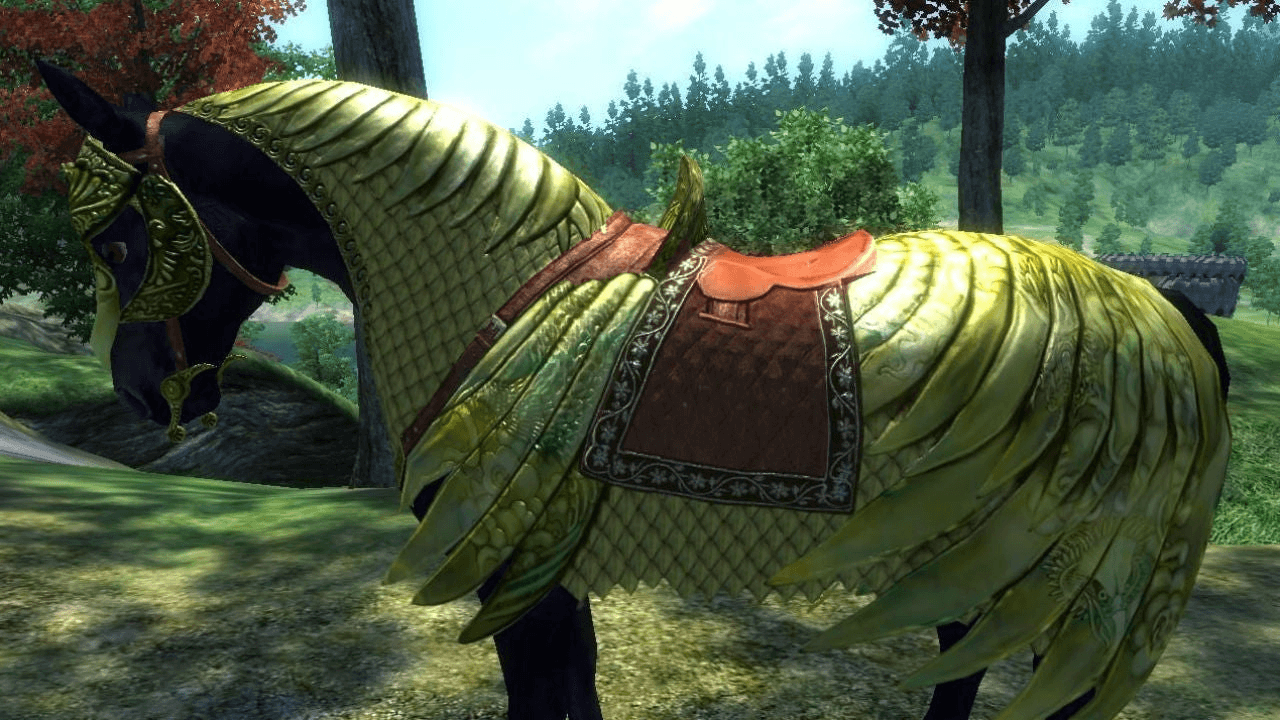
When game developer Bethesda charged $2.5 for horse armor in Oblivion in 2006, it probably had no idea that such transactions would make gaming companies billions in the future.
Bethesda had created the world’s first microtransaction: the sale of game items and other intangible digital assets for a small price – and was widely criticized and laughed at: users felt they were paying for something that should have been in the game all along. Bethesda took stock of the criticism, released better, large-scale DLCs for Oblivion (2006) and moved on from the horse armor debacle.
Today, games-as-a-service (GaaS) or live service games such as Candy Crush Saga (2012), Fortnite (2017), and Genshin Impact (2020) rake in billions of dollars and are by far the most popular titles, boasting massive user bases. Many of these games are free to play and make their money mostly through in-game purchases and other monetisation strategies. Successful examples of GaaS include titles like Fortnite, Genshin Impact, and Destiny 2, which have effectively implemented the model to sustain player engagement and revenue over time.
Unlike traditional games, which are typically sold as a one-time purchase and offer a static, unchanging experience, GaaS titles are dynamic and continually updated with new content, features, and monetization options. This evolving, service-based approach sets GaaS apart from the static nature of traditional games.
Comparison Table: Traditional Games vs. Games as a Service (GaaS)
Feature | Traditional Games | Games as a Service (GaaS) |
|---|---|---|
Purchase Model | One-time purchase | Ongoing revenue (microtransactions, subscriptions, etc.) |
Content Updates | Rare, usually only bug fixes | Frequent, ongoing content updates |
Player Engagement | Static, limited after launch | Dynamic, long-term engagement |
Community Building | Minimal, often single-player | Strong focus on community and multiplayer |
Monetization | Upfront payment | Continuous monetization after release |
Example Titles | The Witcher 3, Skyrim | Fortnite, Genshin Impact |
In this article, we discuss how the GaaS model works and the factors that determine the success or failure of a live-service game. The evolution of GaaS has been significantly influenced by multiplayer games, which foster ongoing engagement and monetization through social interaction, microtransactions, and subscriptions. We will also look at how the cloud gaming industry, and the emergence of gaming-as-a-platform, could change the future of such games.
What is the GaaS Model?
A game-as-a-service employs a recurring revenue model by monetizing the gaming experience through microtransactions, subscriptions, expansion packs, ads, and digital passes. This approach is built on the service model, where games are structured as ongoing services rather than one-time products, allowing companies to monetize video games over time. A live-service title typically has a strong multiplayer or social component and uses such revenue streams to fund and deliver regular updates and content over an extended duration, keeping users engaged for years. These evolving, content-rich experiences are often referred to as living games, as they are continuously updated to maintain player engagement and extend the game's lifecycle. Developers provide constant support with patches, quality-of-life updates, and game-balancing fixes, while adding new premium content like cosmetic upgrades, areas, quests, and game modes. Game development studios play a crucial role in maintaining and supporting games, ensuring ongoing updates and seasonal events. Major publishers and game publishers such as Electronic Arts, Ubisoft, Activision Blizzard, and Take-Two Interactive are key drivers of the GaaS trend, adopting various business strategies to generate recurring revenue and sustain player engagement.
Publishers can adopt multiple payment models to make such games viable – Fortnite is free-to-play, with microtransactions and advertising collaborations, while World of Warcraft (2004) is a subscription-based game. The monthly subscription model, where players pay a monthly fee to access the game, was pioneered by titles like World of Warcraft and remains central to MMORPGs such as Final Fantasy XIV, which maintains a dedicated player base through ongoing paid access. For The Elder Scrolls Online (2014), you pay for the base game and can buy DLCs as they are released. However, a subscription gives access to many DLCs and various game enhancements. In addition to individual game subscriptions, game subscription services like Xbox Game Pass, PlayStation Plus, and similar platforms from Microsoft, Sony, Google, and Amazon provide access to a wide library of games, including exclusive titles, often through cloud-based or downloadable options, further integrating live service models into the industry.
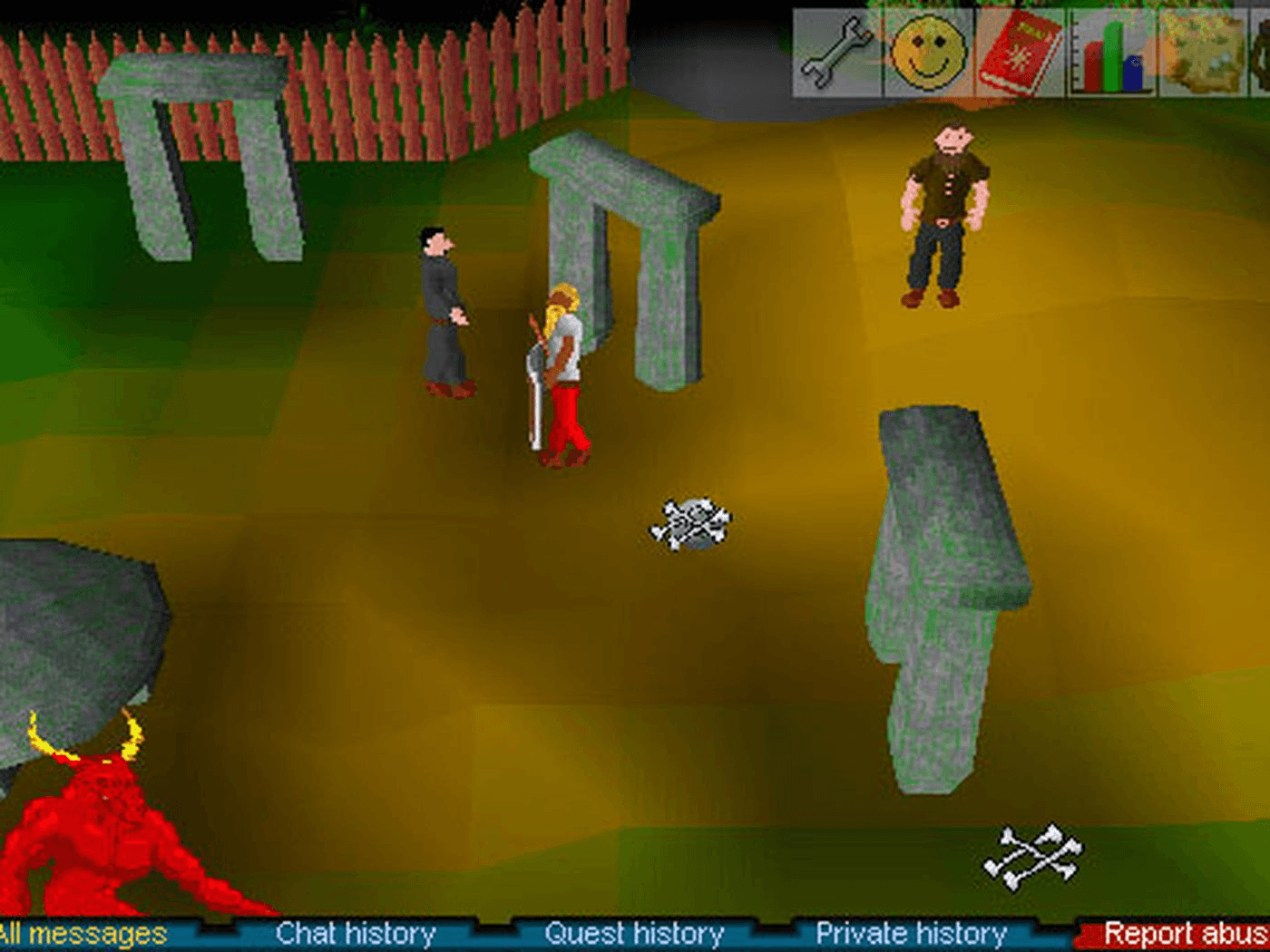
When Blizzard launched World of Warcraft in 2004, players could try the game for free to decide if they wanted to subscribe. Blizzard was following the lead of RuneScape (2001) – the MMORPG had added a subscription tier that gave users additional content. RuneScape and World of Warcraft were two of the earliest games to use tiered pricing as a revenue stream, establishing the business model for ongoing monetization. The initial release of these games marked the beginning of their lifecycle, with ongoing updates and monetization strategies building upon that starting point.
Other games followed suit: MMOs such as Dungeons and Dragons Online (2006) and Age of Conan (2008) successfully adopted the free-to-play model with in-game purchases. Riot Games then launched League of Legends (2009) as free-to-play, with paid cosmetic upgrades. Valve has implemented a similar revenue model for Dota 2 (2013), which is completely free to play, with monetization through optional in-game purchases and subscriptions. In-game currency is a core monetization tool in these titles, allowing players to purchase items, upgrades, and access to additional features. Valve is able to crowd-fund the Dota 2 International – which has the biggest prize pool among all esports titles – through the sale of upgrades that either enhance the game or add cosmetic changes.
As cloud gaming and GaaS platforms evolve, remote servers, a stable internet connection, and high-speed internet are essential for streaming and accessing games hosted on remote infrastructure, enabling seamless, interactive gameplay without the need for powerful local hardware. Some platforms even allow players to develop games themselves, further blurring the line between gamers and creators.
How the GaaS Model Monetizes Video Games and Pays for Itself
Live service titles are the most popular games today – they had a user base of 2 billion PC gamers in 2020, while pay-to-play games had about 445 million users. Free-to-play PC games generated $22.7 bn in revenue worldwide in 2020. A 2020 survey revealed that 35% of gamers worldwide subscribe to a gaming service. Free-to-play games accounted for 78%, or $98.4bn, of total worldwide gaming revenue in the same year. The adoption of the GaaS model has powered the explosive growth of EA and Activision. In 2018, EA’s value rose from $4 bn to $33 bn on the back of live service titles such as the annual sports franchises FIFA, Madden, NHL, and NBA, with Ultimate Team modes in UFC, FIFA, and Hockey bringing in additional revenue. Activision’s value rose from $10 bn to $60 bn thanks to live service games such as Overwatch (2016), Destiny 2 (2017), and the acquisition of the social gaming company King and its casual games, such as Candy Crush Saga. The lifetime revenue of leading GaaS titles is staggering: Fortnite generated $1.2 billion by 2020, World of Warcraft has earned over $8 billion, Candy Crush Saga reached $493 million by 2014 with over 2.7 billion downloads, League of Legends hit $1.7 billion by 2016, Pokémon GO surpassed $5 billion in five years, Destiny 2generated $500 million by 2021, and Dota 2 continues to profit through its free-to-play model and Dota Plus subscriptions.
Game studios fund new content – and turn a profit – through a variety of revenue streams:
In-Game Purchases and Microtransactions
Users pay a small fee for in-game items, cosmetic upgrades, enhanced gameplay, skipping the grind, removing annoyances like timers, and more.
Notable games that employ this revenue model include Fortnite, Dota 2, and Candy Crush Saga.
Most games in the GaaS space rely on microtransactions as a core revenue stream, making them a dominant force in ongoing profitability.
In-Game Advertising
Ads are mostly restricted to mobile games, though there are examples of in-game advertising in other platforms as well.
According to a study conducted by Accenture, more than 73% of mobile gamers report openness to receiving in-game ads.
Ad revenue from gaming is expected to reach $56 bn in 2024.
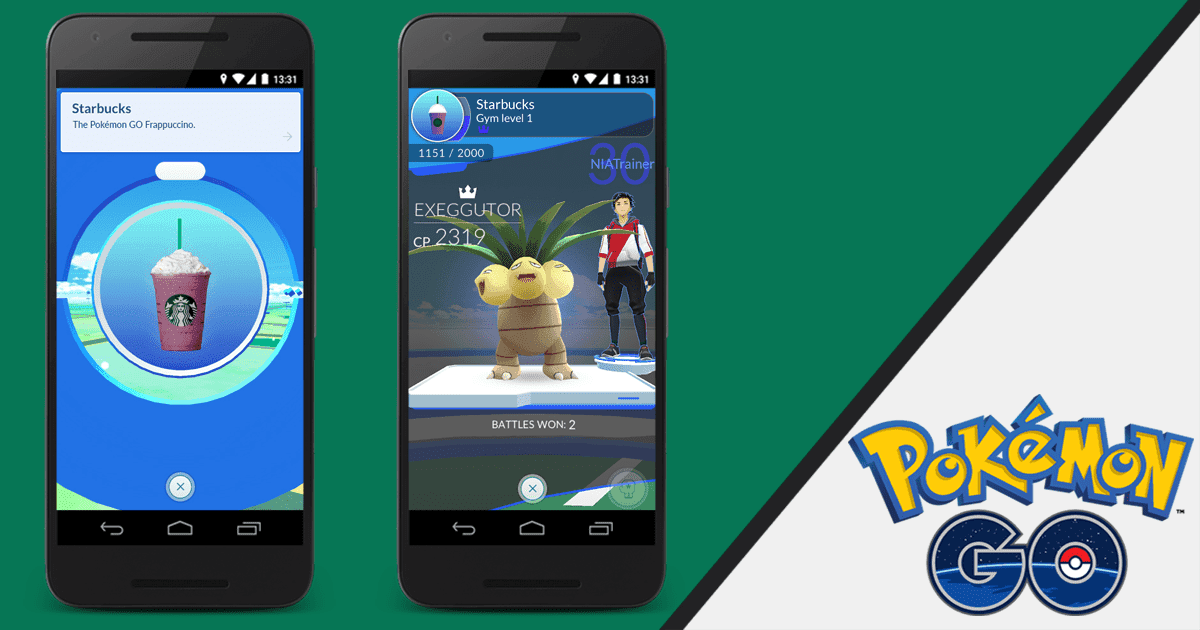
Examples include Fortnite’s collaboration with the Air Jordan clothing brand and Pokemon Go’s contextual promotions.
Subscriptions
Users pay a subscription fee to play a base game that receives regular content updates, or to unlock new DLC and expansions.
MMORPGs such as World of Warcraft and The Elder Scrolls Online (ESO) follow a subscription model.
Digital Passes
Season Passes and Battle Passes offer different types of content to gamers.
A season pass offers current and future DLC at a discounted price, encouraging users to buy into the game before new DLC and expansions are released.
The Battle Pass rewards players with (usually) cosmetic upgrades for completing challenges and reaching milestones in-game.
Genshin Impact, Apex Legends, and Rocket League (2015) use the battle pass system, while Destiny 2, Warframe(2013), and The Division 2 (2019) sell season passes.
Paid Expansions
Studios also sell large expansions that contain new content, features, game modes, and campaigns.
Content bundled in season passes are also sold separately, as with ESO, whose DLC can be purchased a la carte if you don’t want a subscription.
World of Warcraft and Destiny 2 also feature paid expansions on top of the subscription tier.
Loot Boxes
Loot boxes are in-game items that can be opened to collect random virtual gear.
The ‘loot’ you get may comprise items that are much sought after, or just stuff that’s available at low prices in-store.
Loot boxes can be purchased both in-game and separately, as game addons.
Monetization strategies can be highly successful: In 2021, Activision Blizzard made $6.49 billion through non-product revenue streams such as in-game purchases, downloadable content, and subscriptions, while it made $2.3 bn from product sales. In 2021, Electronic Arts made $1.62 bn from the sale of content addons for the FIFA Ultimate Team game mode.
However, gamers can be quite vocal in their criticism, and even abandon a game, if they believe a company has taken monetization too far. In the following section, we will discuss how content rollouts, and the use and abuse of monetization strategies, can drastically impact how a live-service game fares.
What Gamers Love and Hate about GaaS
A good live-service game will keep offering more reasons to return to it, and also draw in new players. Live-service games have low barriers to entry – you can start playing them for free, and the good ones have microtransactions only for cosmetic upgrades that offer no competitive advantage. Bad content compounded with exploitative monetization strategies can lead to games losing huge chunks of their user base within weeks after launch.
The live service model is designed to maximize player retention by delivering ongoing content updates, personalized experiences, and fostering community engagement. In-game events, seasonal content, and new seasons—such as those in Fortnite and Apex Legends—are key tools for keeping players engaged and encouraging them to return regularly. Cloud gaming growth is accelerating the adoption of GaaS, with industry forecasts projecting the cloud gaming market to reach over $7 billion by 2027. Cloud gaming, the broader cloud gaming industry, and game streaming via remote servers and high-speed internet are making high-end GaaS titles accessible on various devices, further expanding reach and engagement. The industry is shifting from focusing on single games to building platforms that support multiple titles and communities, with the Nintendo Switch serving as a key platform for many GaaS titles. Some games, like Dragon Eternity, began as a browser game before expanding to other platforms, and developers such as Game Insight have demonstrated expertise in supporting live service games. Rockstar Games, with Grand Theft Auto V and its online component, exemplifies GaaS success by generating ongoing revenue through updates and in-game purchases. The freemium model, as seen in Candy Crush Saga, allows free play while monetizing through microtransactions like power-ups and extra lives, driving massive download numbers and revenue.
What Gamers Love about GaaS
Many GaaS games succeed by improving the game through regular updates, and consistently engaging players with expansion packs that include new areas, quests, characters, and game modes. These "living games" are sustained by ongoing updates, events, and community interaction, which help maintain player engagement and extend the game's lifecycle. Improving content rollouts can also help games bounce back from poor performance at launch. Regular updates can help retain users – a gamer who buys only a few of ESO’s DLCs still benefits from developer support and may be encouraged to buy more content in the future.
Players appreciate live-service games that:
Feature frequent updates that balance the game, fix bugs, and add quality-of-life improvements
Offer DLC-scale content with new lands, quests, game modes, and other enhancements
Provide detailed and well-executed roadmaps based on players’ needs
Include in-app purchases that don’t affect gameplay and add cosmetic enhancements
Live-service games are rated mostly on their content and player engagement. Gamerant’s list of 13 best live-service games does not dwell at all on how these games pay for themselves, but on what they have offered to gamers over sustained periods of time. It takes special note of games such as Warframe and Grand Theft Auto Online, which were both released in 2013, but are still drawing in new players because of their expansive content. For such games to succeed, developers must sustain them for nearly a decade – as with GTA Online and Warframe – or longer, as is the case with World of Warcraft and League of Legends.
Games such as Destiny 2 and The Division are also lauded for offering free updates, fixes, and gameplay improvements: they remain engaging even if one does not pay for new content. Many developers also improve the stability of their game worlds over time, allowing them to attract new users, and retain existing players, by adding expansions without compromising gameplay. Support games require ongoing attention from game development studios, who are responsible for delivering regular content updates, localization, and continuous development to keep player engagement high.
Live-service games can prove unusually resilient if developers commit to providing quality content and improving the customer experience. Despite a rocky start, ESO greatly expanded its user base after Bethesda added expansion packs that allowed users to explore new lands and regions with engaging questlines, and join major factions common to all Elder Scrolls games. The studio pulled off a similar rescue act with a disaster on launch – server issues, lack of NPCs, and poor-quality tie-in merchandise drew widespread criticism. Yet again, Bethesda added new content and updates, including tons of bug-fixes, new NPCs, and large-scale expansions. In 2021, Bethesda CEO Todd Howard wrote in a reddit post that was one of the studio’s most-played games, with 11 million users.
Rainbow Six Siege and The Division (both created by Ubisoft) grew in numbers via quality content updates. The Divisionmanaged to lose 93% of its player base soon after release, but Ubisoft resurrected it with fresh content and gameplay, and it gained 20 million players. Rainbow Six Siege is described as ‘the king of the comeback‘ and drew in 25 million users, and became a major esport, despite being riddled with game-breaking bugs and server issues at launch.
Clear roadmaps can also help drive a live-service game’s success, by telling players exactly what to expect. Even now, games such as Halo Infinite (2021) and Warframe struggle to create stick to a clear roadmap, which has caused confusion among gamers.
Failing to deliver promises made in the roadmap can lead to intense backlash, as was the case with Bioware’s Anthem(2019). The studio promised a great deal of content in their roadmap, but released a sub-par game that barely resembled what the publishers had led players to expect. The game failed not only because of problems at launch, but also due to a misleading roadmap.
What Gamers Hate about GaaS
Gamers are not too fond of microtransactions and only 5-20% of the community takes part in them. However, about 25% of gamers who engage in microtransactions spend considerable sums on in-game purchases. They used to drive the revenue of free-to-play games, though these ‘whales' constitute a lesser proportion of in-game sales today.
A live-service game needs money to pay for development and the sustained rollout of quality updates and content, but things go awry when monetization is seen as excessive, drawing the ire of gamers. According to a SuperData report, gaming companies walk a fine line between engaging players with new content, and alienating them with unpopular monetization strategies. Paid cosmetic upgrades that do not offer a competitive edge are mostly tolerated by players.
Gamers will likely protest against exploitative practices such as:
Pay-to-win monetization, where money buys you an unfair competitive advantage
Over-monetization, where everything seems to cost money, leading to a hollow vanilla game
‘Random' rewards such as loot boxes, where there can be great variation between the amount of money paid and the quality of the rewards received
Broken promises and failure to deliver on game roadmaps
Exploitative monetization, and gamers' distaste for microtransactions, have led to the creation of a site that tracks games and rates them on what you might have to spend after buying a pay-to-play game, or starting a free-to-play game. A few games, such as The Banner Saga 2 (2016), are given a ‘Spotless' rating, indicating full ownership of a title once bought. The website dwells at length on all the things you might have to pay for if you buy a less-than-spotless game.
Fallout 76's content – or lack thereof – was bad enough at launch, but it also featured pay-to-win microtransactions that further alienated users. In the case of Marvel's Avengers (2020), the pay-to-win booster upgrades angered players so much that the publisher eventually removed the offending items from the store. Some games retain their popularity despite using pay-to-win economies: Clash of Clans (2012) and Warframe both allow paying gamers to level up faster. However, while such a practice may be tolerated, it is still pointed out and criticized.
In over-monetized games, even base features require in-store purchases. In The Hunter: Call of the Wild (2017), you had to buy hunting licenses to shoot animals in the game. In effect, you could only hit targets at the shooting range if you didn't shell out money for the right to shoot at animals – in a game that was literally about hunting. The game's developer Avalanche Studios now offers a pay-to-play version without microtransactions.
In Halo Infinite's multiplayer mode, the XP progression was so slow that leveling up effectively required playing full-time. You had to play a hundred daily challenges to reach rank one. But you could buy your way past this and level up faster, with an Xbox Game Pass Ultimate subscription, which offered free boosts and gear. The game has since been balanced with a better progression system, involving more XP boosts and credit-drops for users who play for free.
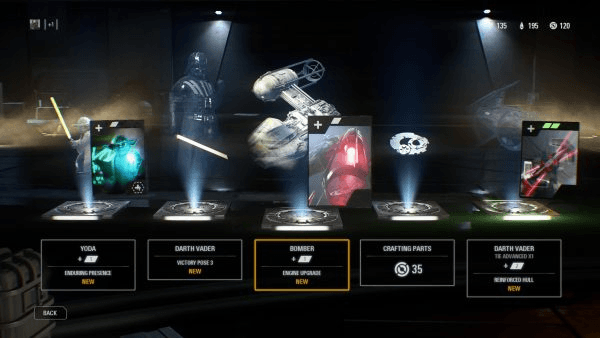
Loot boxes are the most controversial – and perhaps the most aggravating – kind of monetization strategy. Star Wars Battlefront II loot boxes required gamers to shell out extra money to play iconic characters like Darth Vader and Princess Leia. EA's response to a reddit post on the issue holds the record for the most downvoted reddit comment in the Guinness Book of World Records. The backlash led share prices of Electronic Arts to fall and forced EA to do away with the loot boxes in-game.
Take Two Interactive is being sued over loot boxes in the NBA 2K series of basketball games. The plaintiffs contend that the games induce players to spend significant sums on in-game items and other purchases, even though Take Two charges standard prices for the base games.
Badly monetized games may get lambasted as thinly-veiled cash-grabs, but developers who respect player sentiments and restrict microtransactions to cosmetics can enjoy great success: Fortnite had 350 million registered players in 2020, before its legal conflict with Apple and Google. League of Legends also has a huge player base of 180 million as of 2022, while offering no competitive advantage with its in-game purchases.
How GaaS Monetization Could Change in the Future
While live-service games can keep gamers engaged for years, heavy-handed monetization strategies can spell disaster.
The advent of cloud gaming could utterly transform this dynamic. Digital distribution and cloud gaming could make live-service games highly cost effective and playable on multiple devices. Moreover, new content and updates would be delivered via the cloud, requiring no local downloads. The rapid cloud gaming growth is projected to push the market to USD 7.24 billion by 2027, with a CAGR of 24.9% through 2030, significantly impacting the GaaS model. Industry leaders predict that cloud gaming will eventually become the most reliable and convenient way to play games. Game companies could agree to a library-based model, wherein a single subscription gives access to constantly updated and remotely accessible games. Game subscription services offered by major companies like Microsoft, Sony, Google, and Amazon are becoming a key trend, providing access to wide libraries of games, including exclusive titles, often through cloud-based or downloadable options. Cloud gaming also allows gamers to save on hardware, freeing up money that could be spent on in-game purchases. The library model and increased potential for player spending could help publishers eschew aggressive monetization strategies.
Live service games such as Fortnite are starting to resemble platforms, according to Microsoft’s head of cloud gaming. James Gwertzman points out that Fortnite now is more than a service and almost a community, with live in-game concerts, and that some ‘game platforms’ encourage gamers to become developers by offering modding utilities and other creative tools. These citizen developers are able to host their own persistent worlds for games such as Minecraft Realmsand Roblox. Such developments indicate that even the creation of new content – central to the success of live service games – is being left to gaming enthusiasts, who can create and sell experiences in a community-powered platform. The future of GaaS is expected to include seamless cross-platform play and personalized experiences driven by AI, such as AI-driven personalization of missions and content.
But what if you could earn just by playing? NFTs – non-fungible tokens – are at the core of ‘play-to-earn’ games, some of which are ‘free-to-play’, though others require you to spend some cryptocurrency. A non-fungible token is a unique and irreplaceable digital entity that exists on a public blockchain. Playing NFT games results in the generation of new NFTsthat can be traded both in-game and on cryptocurrency exchanges. In Axie Infinity, you breed NFT monsters called Axies and battle with other Axies. You can purchase monsters and breeding resources in-game – or win them by playing – and sell Axies both in game and on cryptocurrency exchanges to earn money.
If NFTs take off, then any type of intangible digital asset – including the skins and cosmetic upgrades in games like League of Legends, Fortnite, and Dota 2 – can be stored on the blockchain and sold on exchanges. But NFTs have been treated with suspicion and scepticism: Valve has banned crypto-based apps on Steam. Neither is Epic bullish on NFTs, because of ‘an intractable mix of [NFT] scams’. No mainstream games have announced NFT integration yet.
In a hit-driven industry, a live-service game can seem a very good business proposition for game developers, but it also entails a commitment to providing updates and new content over the course of years. Such a commitment makes GaaS games capable of surviving disastrous initial releases as well. The adoption of GaaS can help the gaming industry move past an over-reliance on hits from major IPs. In 2026, GaaS titles are projected to represent 70–75% of global gaming revenue, with over 70% of global gaming revenue coming from long-tail service models. The global gaming as a service market is projected to reach nearly $18.82 billion by 2030.
GaaS is often compared to Software as a Service (SaaS) in that both models focus on ongoing service delivery rather than one-time sales.
The industry-wide shift to the GaaS model is ultimately a good thing for gamers, who will appreciate the wide range of games on offer provided that publishers refrain from excessive monetization – a real possibility in a future that includes cloud gaming and games-as-platforms.
Conclusion: What is Games as a Service and Why is it Important?
Games as a Service (GaaS) refers to a business model that allows game developers to monetize video games after their initial release through ongoing content updates and player engagement. GaaS allows developers to monetize video games after their initial release through ongoing revenue models, such as microtransactions, subscriptions, and expansions. The GaaS model enables games to be dynamic and ever-evolving, in contrast to traditional games that are static after purchase.
This model is increasingly being adopted by major gaming companies due to its potential for ongoing revenue generation and player engagement. The GaaS model has led to a significant shift in how game developers approach game design, focusing on long-term player retention and community building. As cloud gaming and new technologies emerge, GaaS is poised to further shape the future of the gaming industry, offering players more content, more engagement, and more ways to play than ever before.
Gameopedia maintains an extensive and constantly-updated database of live-service games. Get access to data that will yield valuable insights into the world of games-as-a-service.