


The History of FPS Games: The Evolution of First-Person Shooters
Kaavya Karthikeyan
Sr Content Writer
@Gameopedia
Read Time :
6 Min
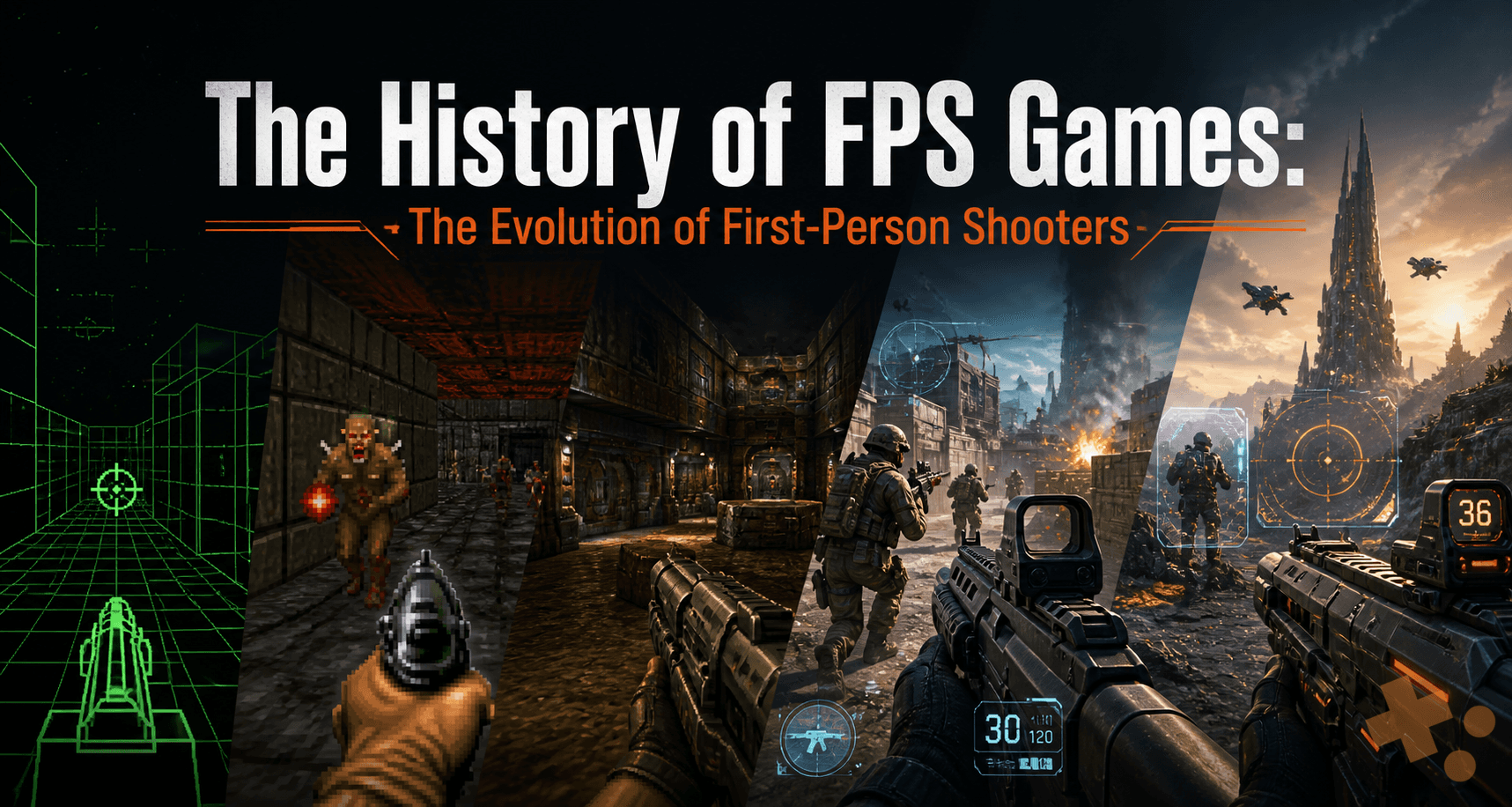
First-person shooter games, commonly called FPS games, are among the most culturally dominant video game genres in history. From tile-based mazes on networked minicomputers to hyper-realistic online multiplayer battlefields, the history of FPS games is a story of relentless technical and creative ambition. According to Lumos, shooter games now command 43.69% of market share, making them the second most popular genre of video games worldwide.
So what exactly are first-person shooter games, how did they evolve, and where is the FPS genre heading next?
What Are First-Person Shooter Games?
A first-person shooter is a subgenre of shooting games played from the player's perspective. The game world is seen through the protagonist's eyes. Unlike third-person shooter games, which show your character from behind or above, FPS games place you directly in the action. This first-person perspective creates unmatched immersion, and it's why so many franchises like Call of Duty, Halo, and Counter-Strike have sustained massive global audiences.
The appeal of first-person shooter games spans multiple motivations. Players who want to shoot guns in a realistic or fantastical setting will find something here. Players seeking competitive matches against human opponents will find thriving ranked modes. Players who want to lose themselves in a cinematic story also have dozens of options. FPS gameplay tests reflexes, spatial awareness, and team coordination — qualities that transcend any specific setting or era.
The History of FPS Games: Era by Era

The 1970s: The First FPS Game
Early first-person shooters were primitive by today's standards, but groundbreaking for their time. The first FPS game came in 1973 with Maze War, installed at NASA Ames Research Center. Players navigated a 3D maze and shot other players. Remarkably, this early game already featured networked multiplayer gaming. Spasim (1974) followed shortly after, and both early first-person shooters featured tile-based movement through 3D mazes on networked minicomputers, laying the foundational DNA of the first-person shooter genre.
The 1980s: Arcades and Home Computers
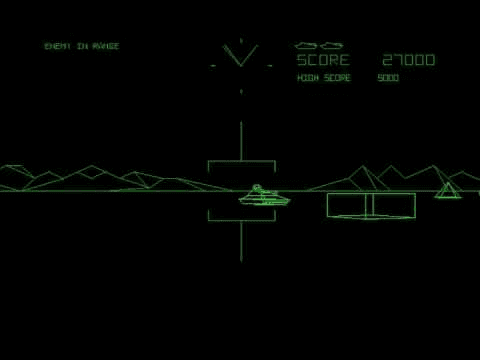
Atari's Battlezone was the first successful mass-market arcade game to feature a first-person viewpoint and wireframe 3D graphics, selling around 15,000 units. Players piloted an assault tank across a vector-rendered landscape. A version was later released for home computers in 1983. Other influential arcade games included Midway's Wizard of Wor and Taito's Gun Buster, which allowed players to network several cabinets together for multiplayer deathmatches.
The rise of home computers and consoles transformed game design. The PC market began to outpace consoles for FPS experiences, driven partly by advances in game engines that enabled more complex worlds and mechanics. For instance, the Super Nintendo was limited by Nintendo's strict content policies and hardware constraints, often requiring toned-down versions of mature titles.
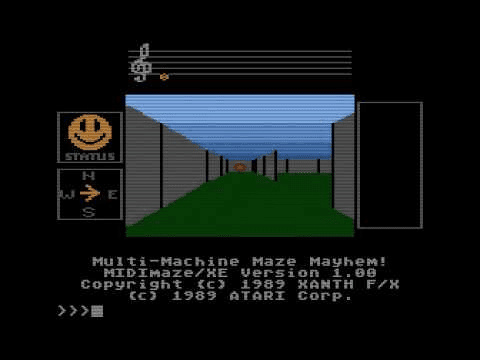
The first FPS game on PC was Hybrid Arts' MIDI Maze, made for the Atari ST and released in 1987. Players appeared as Pac-Man-like orbs in a 3D maze. MIDI Maze supported up to sixteen networked players, one of the first true LAN games. Early games like these used grid-based or ray-casted rendering, with the player's position determining what was drawn on screen.
The Early 1990s: id Software Changes Everything
No company has shaped the FPS genre more profoundly than id Software. Their lead programmer John Carmack solved a fundamental rendering problem: how to display 3D images at the same speed as 2D ones. Tom Hall, one of id Software's original co-founders, played a crucial role in shaping their early FPS games.
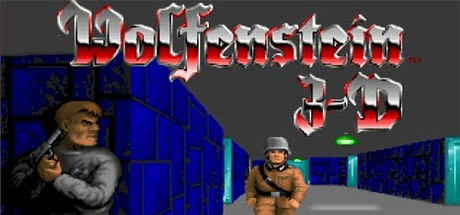
Their first landmark release was Wolfenstein 3D (1992) — widely recognized as the first game to define the first-person shooter genre's template. The PC version of Wolfenstein 3D was especially significant: fast pace, intricate level design, and weapon mechanics that became industry standard.
But id Software wasn't finished. Their next game became arguably the most influential game in FPS history: Doom (1993). It introduced fast-paced gameplay, multiplayer deathmatches, and — with its iconic soundtrack — an entirely new level of immersion. Within hours of release, university networks began banning Doom multiplayer mode games because the massive number of players overwhelmed their systems.
id Software licensed their engine broadly. Many developers created heavily modified versions of the original Wolfenstein 3D engine to improve graphics and add RPG elements. Star Wars: Dark Forces brought the iconic Star Wars universe into the first-person shooter genre. System Shock incorporated a compelling narrative with a first-person adventure inventory system, it would eventually inspire BioShock. Bungie's Marathon offered a multiplayer mode with LAN play and voice chat.

The Late 1990s: Quake, Tactics, and Narrative
Duke Nukem 3D was the first FPS widely acclaimed for highly interactive environments and a charismatic voiced protagonist, a meaningful step in FPS game design.
id Software's next revolution was Quake (1996), the first FPS to feature fully 3D environments and real-time rendered polygonal models. It pioneered movement mechanics like rocket jumping and inspired the world's fastest shooter genre, including Starsiege: Tribes. Quake's online multiplayer made it a direct precursor to modern esports. LAN parties and QuakeCon became cultural institutions.
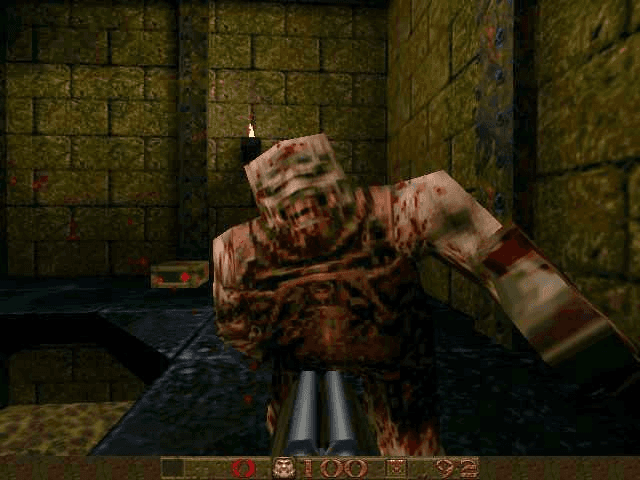
Unreal Tournament (1999) by Epic, powered by the Unreal Engine, was one of the first purely multiplayer FPS games. These other FPS games established deathmatch, capture the flag, and team-based game modes that remain FPS staples today.
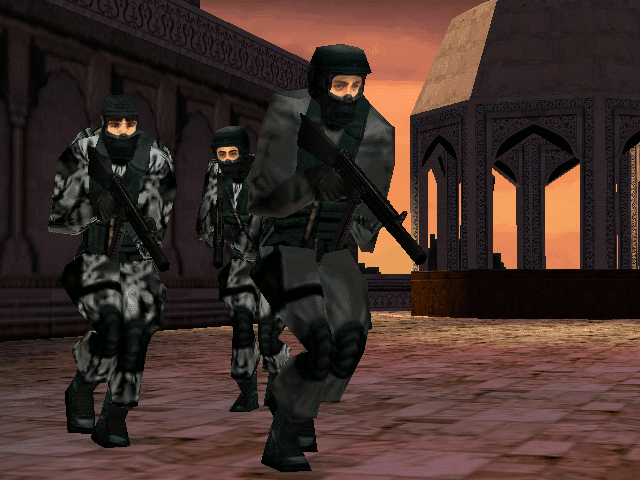
Rainbow Six introduced tactical first-person shooter gameplay with cerebral, SWAT-inspired combat. Counter-Strike(1999), originally a mod for Half-Life, became one of the first popular objective-focused multiplayer gaming titles without mid-round respawns and one of the first mainstream tactical esport titles.
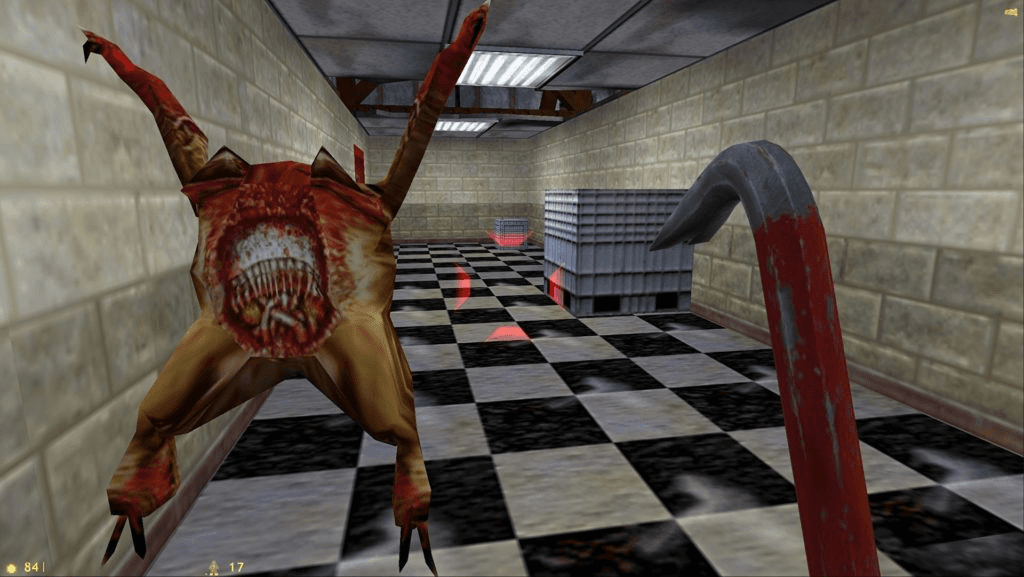
Half-Life (1998) introduced narrative immersion to the FPS genre: story conveyed through environments with no cutscenes, a seamless first-person adventure that game designers and game developers still emulate today.
GoldenEye 007 (1997) by Rare was a landmark console FPS for console gamers, establishing fundamental game design conventions for console shooters. Perfect Dark, the third game in Rare's shooter lineage, advanced the first-person shooter genre with superior computer graphics and expanded multiplayer options.
The 2000s: Narrative, Consoles, and Open Worlds
Medal of Honor: Allied Assault and Call of Duty (2003) focused on World War II-themed tactical gameplay. Call of Duty 4: Modern Warfare (2007) became a best-selling game and a huge hit for its portrayal of the latest weapons.
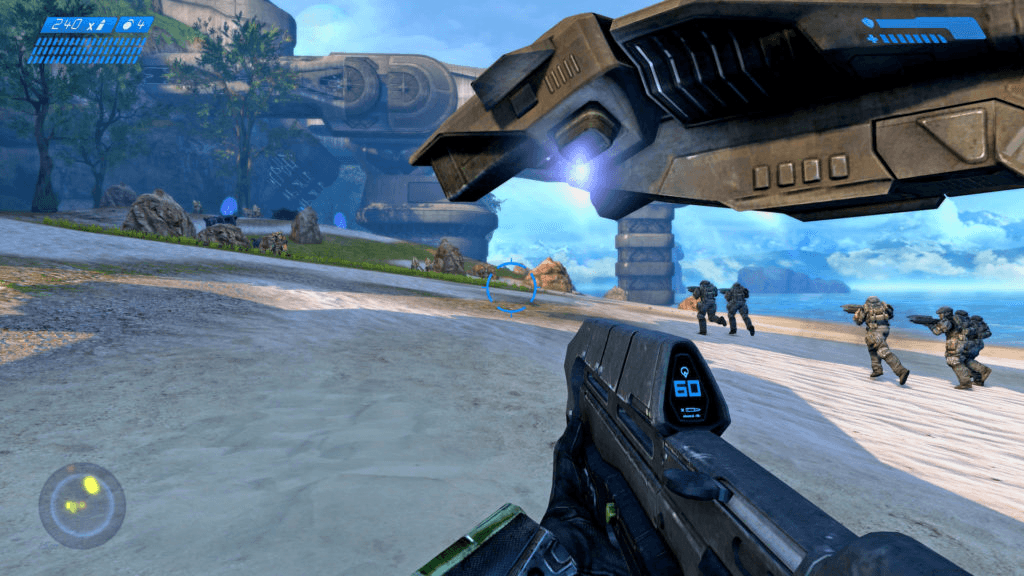
Halo: Combat Evolved (2001) was the defining moment for console FPS gaming, pioneering checkpoint saves and regenerating health. Halo 2 (2004), made online multiplayer mainstream on consoles, inspiring numerous other first-person shooters.
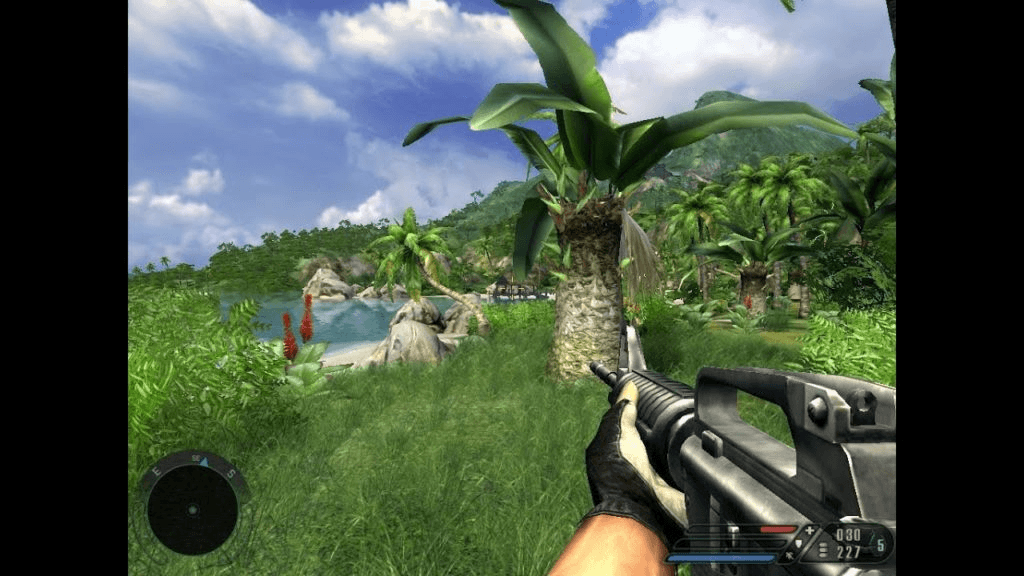
Far Cry (2004) popularized open-world FPS design. Doom 3 and Half-Life 2 (which won over 39 Game of the Year awards) showcased advanced computer graphics and lighting. Left 4 Dead made co-op shooter game play hugely popular, while Portal introduced puzzle elements to the first-person perspective in an entirely new way.
The 2010s: Looter Shooters, Hero Shooters, and Battle Royale
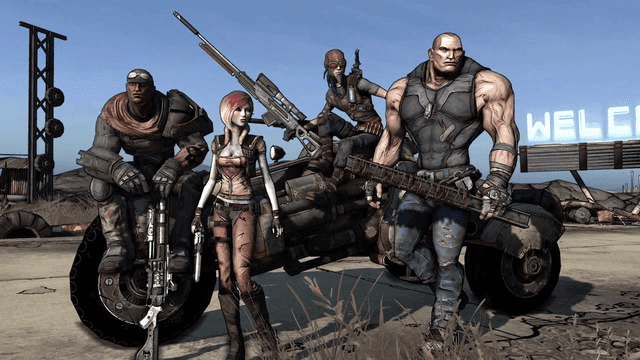
Borderlands (2009) was the first successful looter shooter, and Borderlands 2 (2012) perfected the formula. Warframepioneered the GaaS model for fps titles, paving the way for Destiny by Bungie, the same studio that created Halo. Destinyborrowed MMO mechanics for a purely online multiplayer FPS experience.
Hero shooters emerged with Overwatch (2014) achieving mainstream success. Games like Apex Legends, Rainbow Six: Siege, and Valorant followed. Many of these modern fps games are free to play, generating revenue through cosmetic items and other video game monetization strategies that personalize without affecting gameplay.

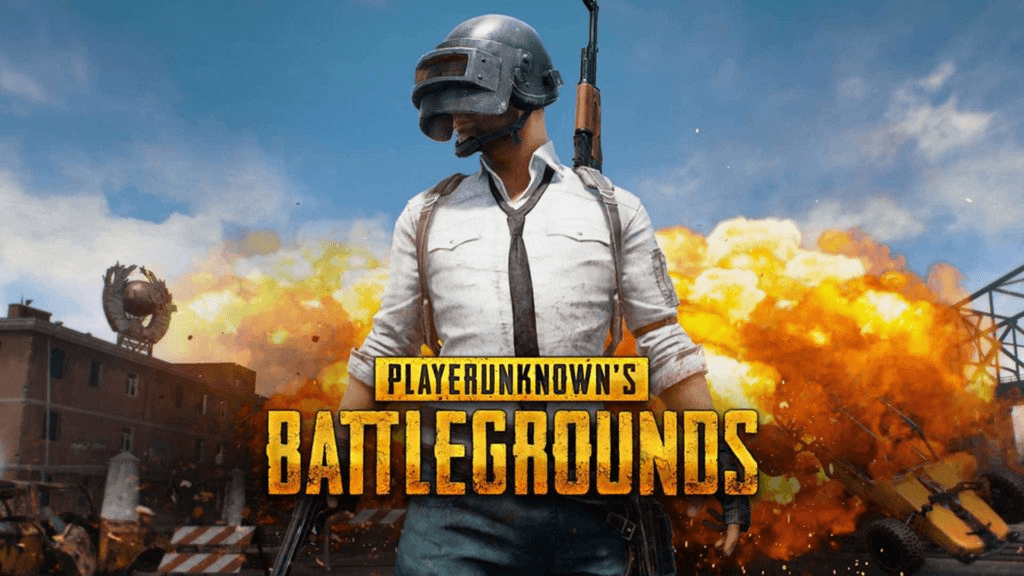
Battle Royale became a phenomenon in the 2010s. PUBG, Apex Legends, and Call of Duty: Warzone refined the formula of last-player-standing survival on a shrinking map. Squad-based teamwork became as important as individual shooting skill in these person shooter games.
F.E.A.R. (2005) deserves mention for its reactive AI, as enemies dynamically responded to the player's position, setting a standard for intelligent FPS enemy behavior that game developers still reference. It remains one of the most influential games for AI design in the gaming industry.
Types of FPS Games
Tactical FPS Games: Like Rainbow Six and Counter-Strike, emphasize realism, team coordination, and precise execution. Realistic weapon handling and no-respawn mechanics make every decision in competitive matches count.
Hero Shooters: Overwatch, Apex Legends, and Valorant let players select hero characters with unique abilities. These modern fps games feature diverse rosters, backstories, and regular balancing patches.

Battle Royale Games: PUBG and Warzone exemplify this style. Players drop onto vast maps, scavenge for gear and survive. The last player standing wins. Such games combine survival with fps gameplay for high-stakes, unpredictable matches.
Classic FPS Games: Doom and Quake defined the genre with fast-paced action. These early shooters continue to influence more fps games today.
Narrative-Driven FPS Games: Half-Life and BioShock weave storytelling into core fps gameplay. Games like Halo Infinite, Metro Exodus, and the Far Cry series carry this tradition forward with single-player campaigns as primary selling points.
Competitive Play and Esports in FPS Games
Counter-Strike: Global Offensive (CS:GO) is the benchmark for competitive play. Its precise gunplay and strategic depth have anchored the esports scene for decades. The Overwatch League, Call of Duty League, and Quake Champions tournaments keep competitive matches in the mainstream spotlight.
The rise of FPS esports has driven advancements across the entire gaming industry. Specialised peripherals, high-refresh-rate monitors, and optimised network connections all exist partly because multiplayer gaming demanded them. Streaming FPS gameplay has become a legitimate career, further popularizing the contemporary trends in online multiplayer gamingculture that started with LAN play.
The First-Person Perspective and Immersion
What makes first-person shooter games so enduring is the immediacy of the first person perspective. Modern fps games deepen this immersion through:
Realistic graphics and sound design: Advances in computer graphics deliver stunningly detailed game worlds, from modern warfare environments to atmospheric sci-fi corridors.
Interactive environments: Destructible cover, manipulable objects, and reactive NPCs driven by modern game AImake game worlds feel alive.
Realistic weapon handling: Authentic recoil and reload animations make every firefight feel intense.
Strong narratives: Games like Half-Life and BioShock use storytelling woven into gameplay, creating emotional connections that keep players invested in the game world.
Where Is the FPS Genre Heading?
FPS games have grown steadily more complex alongside improvements in hardware. The introduction of advanced graphics processing units was driven in significant part by the demands of first-person shooter games themselves. GPU technology, from Nvidia's GeForce 256 (1999) onward, transformed what game engine developers could achieve.
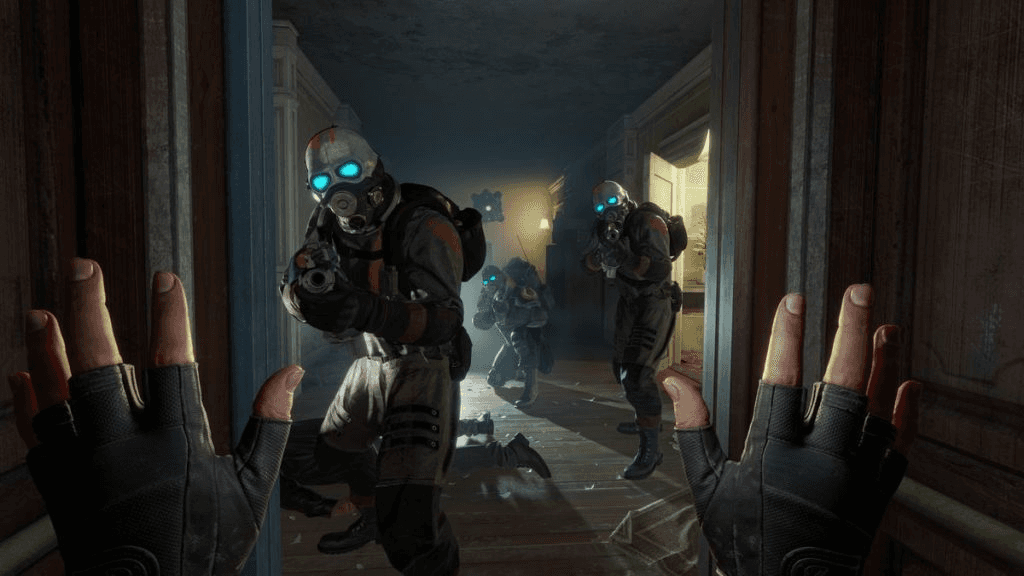
AI in FPS games is evolving rapidly. AI-powered practice bots in titles like Valorant and CS:GO help players improve their aim. VR shooter games represent the most exciting frontier. Half-Life: Alyx's immersive weapon handling offers a genuinely unprecedented first-person perspective experience. Cloud gaming may democratize narrative-driven fps titles by removing expensive hardware requirements, as cloud gaming platforms let players stream high-end experiences to modest devices.
The GaaS model will continue to dominate. Games-as-a-Service live-service models with big-budget AAA games and free to play FPS titles generating revenue through microtransactions and regular content drops are now the norm. More FPS games will blend sub-genres, for example, Apex Legends is simultaneously a hero shooter, a battle royale, and a looter shooter game.
Other other FPS games worth highlighting include Titanfall 2 for its movement mechanics, BioShock Infinite's watershed moment for narrative FPS, Portal 2 — the most successful puzzle FPS with unique puzzle elements — and Superhot, a unique person shooter where time moves only when the player moves.
The modern era of the first-person shooter genre is characterized by cinematic presentation, persistent progression, and massive online communities. Game designers and game developers continue to push creative boundaries, ensuring that fps games remain at the forefront of gaming culture for years to come.
The FPS genre moves fast. New titles, shifting player demographics, and emerging sub-genres mean the data landscape is always changing. If you need accurate, up-to-date games data to stay ahead of it, we can help.